



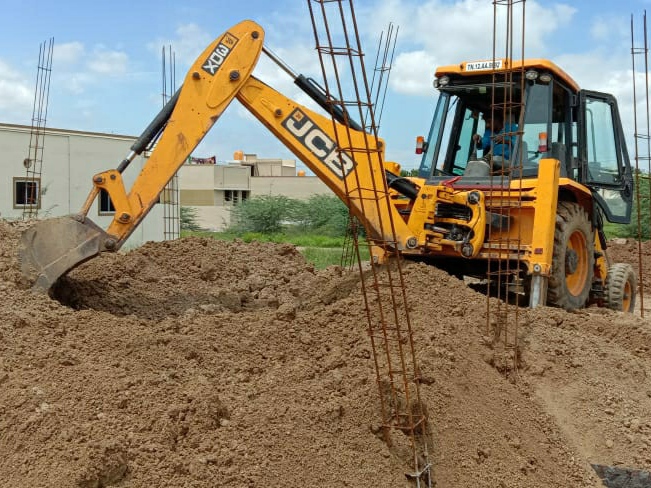
Filling savudu soil, also known as white clay soil, is a common practice in Chennai during construction projects. This type of soil is typically found in coastal areas and is characterized by its white color and high water content. While savudu soil may be suitable for certain types of construction, it is often necessary to fill or remove this soil to ensure a stable foundation for buildings and infrastructure.
Filling savudu soil can be a challenging task, as the soil has a high water content and can be difficult to compact. However, it is important to ensure that the soil is well-compacted to prevent settling and shifting of the foundation over time. One common method of filling savudu soil is to use a mix of sand and gravel to create a stable base for the foundation. This method allows for proper drainage and helps to prevent water from seeping into the foundation.
In addition to filling savudu soil, it is also important to ensure that the surrounding area is properly graded to prevent water from pooling around the foundation. This can be accomplished through the use of drainage systems and proper landscaping techniques. It is also essential to ensure that any drainage systems are properly maintained to prevent blockages or other issues that could lead to water damage.
While filling savudu soil may be necessary during construction projects, it is important to keep in mind the potential environmental impact of this practice. The removal or disturbance of natural soil can have a significant impact on local ecosystems and can lead to erosion and other issues. It is important to work with a reputable contractor who is knowledgeable about local regulations and environmental impact to ensure that any filling of savudu soil is done responsibly.
Overall, filling savudu soil is a common practice in Chennai construction projects, and it is important to ensure that this is done properly to ensure a stable foundation and prevent water damage. By using proper techniques and working with a reputable contractor, it is possible to fill savudu soil while minimizing the impact on the environment.